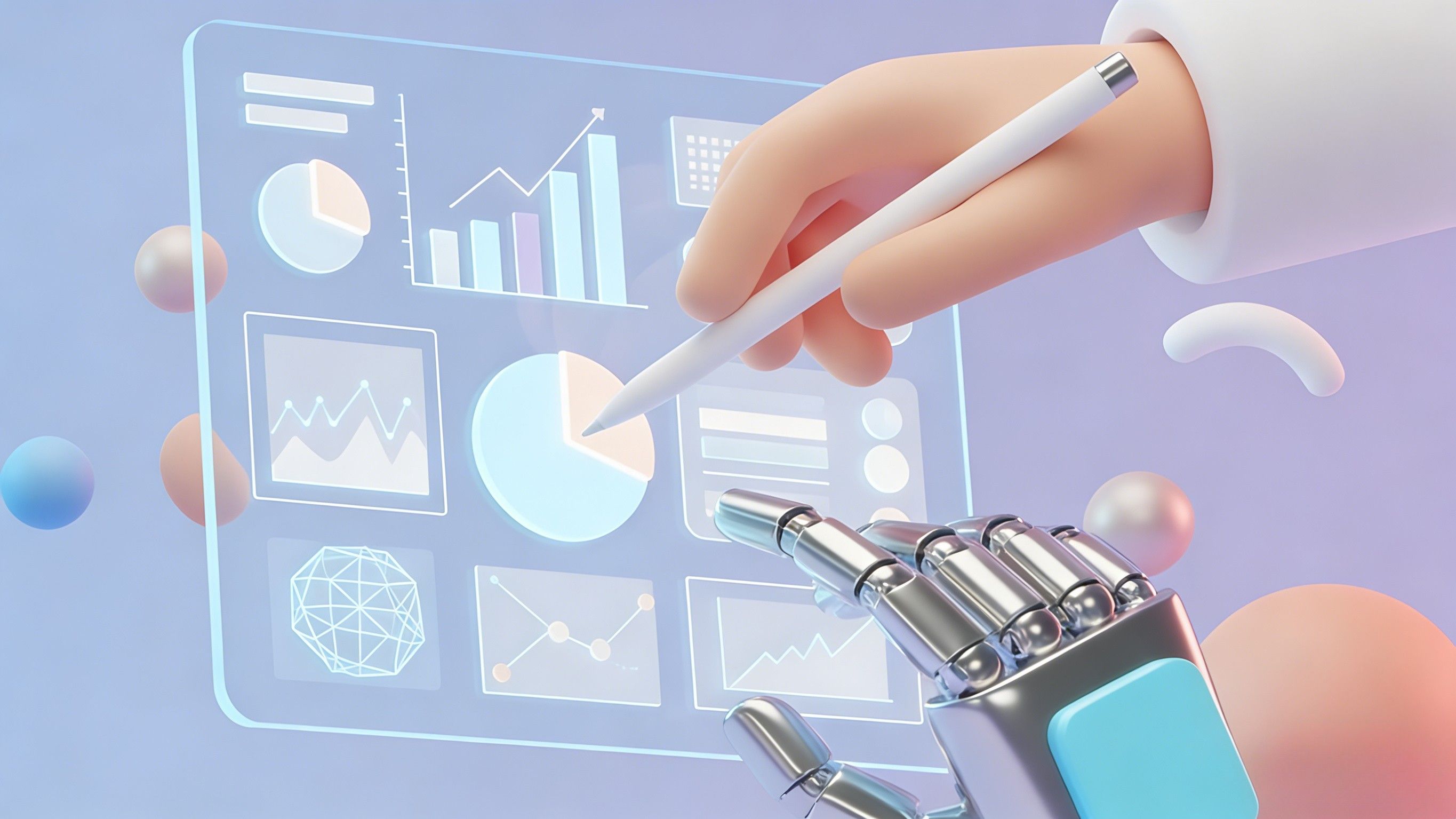
Modern advertising has evolved from a creativity-driven art form into a data-intensive scientific practice. Every day, marketing teams must handle massive amounts of data from dozens of channels, manage complex audience segmentation, optimize real-time bidding strategies, and make budget-impacting decisions in seconds. This level of complexity and speed has surpassed what traditional manual workflows can manage.
In this context, artificial intelligence is no longer merely an auxiliary tool in the advertising toolkit. It is becoming the core infrastructure of ad operations—from strategic planning to creative generation, from media buying to performance analysis, AI in advertising have permeated every link in the value chain. Leading marketing organizations have realized that the question is no longer "should we use AI," but "how do we systematically integrate AI-driven advertising capabilities into our operational architecture".
This article will explore the practical applications of AI in advertising in depth, from specific functional modules to overall system architecture, providing modern marketing teams with a comprehensive, practical implementation framework. We will see that the most forward-looking trend is not a single AI tool, but AI-powered ad systems that can work together—systems that are fundamentally redefining the future shape of advertising operations.
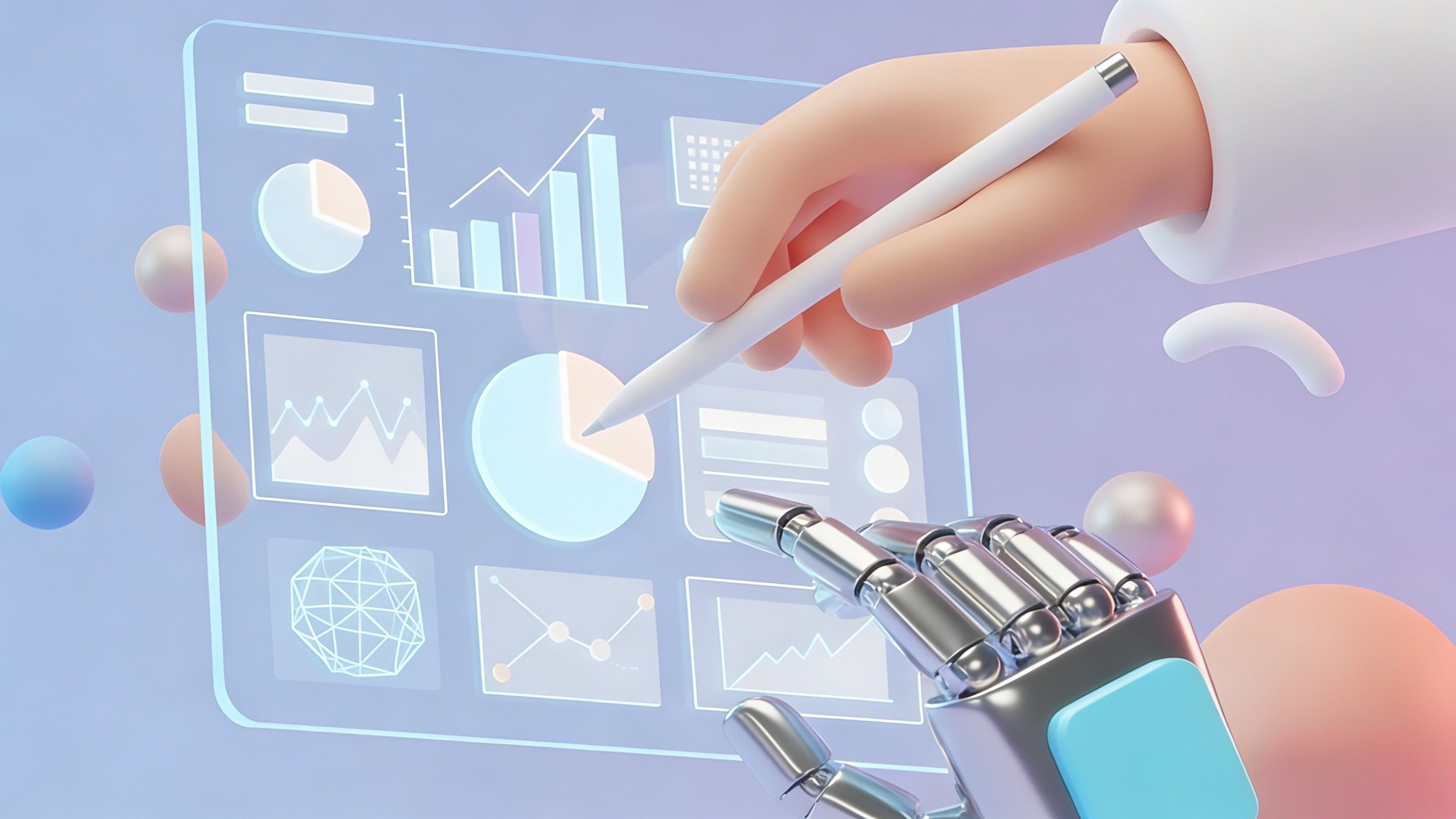
Where AI Is Used in Advertising?
1. Market and Audience Intelligence
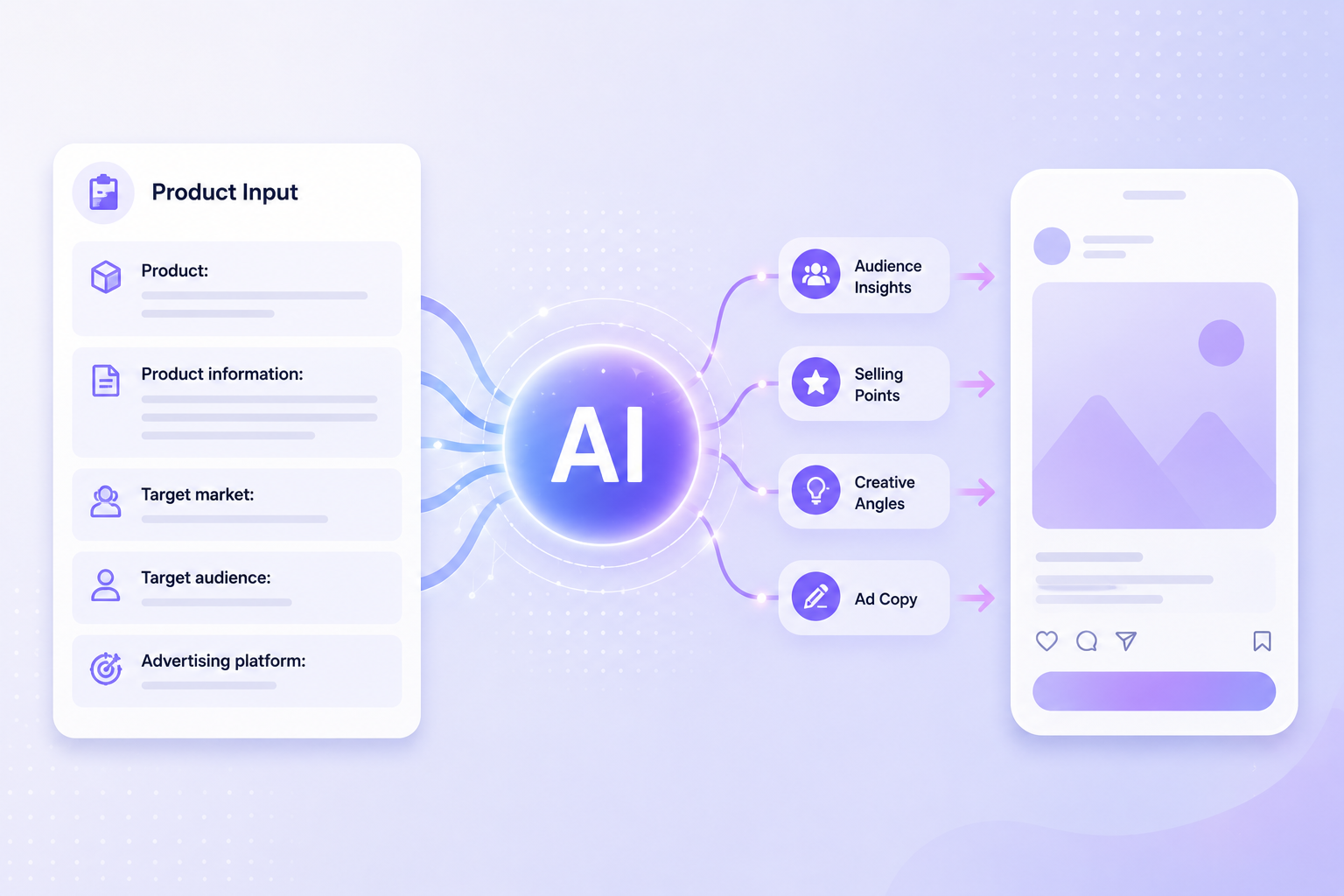
One key application of AI in advertising is market insight and audience understanding. Traditional market research often lags behind market changes, while AI marketing technologies can process and analyze large-scale datasets in real time to provide dynamic support for marketing decisions.
For audience modeling, machine learning algorithms can analyze multidimensional data—user behavior patterns, purchase preferences, content interaction history—to build precise audience profiles. Compared with static demographic categories, these models can capture dynamic predictions of behavioral intent and purchase propensity. For example, an AI system can identify early signals of a “high-value prospective customer” long before they show clear purchase intent.
Trend and demand prediction is another important dimension. By using natural language processing to analyze social media conversations, search trends, industry news, and competitor activity, intelligent AI advertising systems can detect market opportunity windows ahead of time. This forward-looking insight enables marketing teams to adjust strategies before trends break, rather than reactively following them.
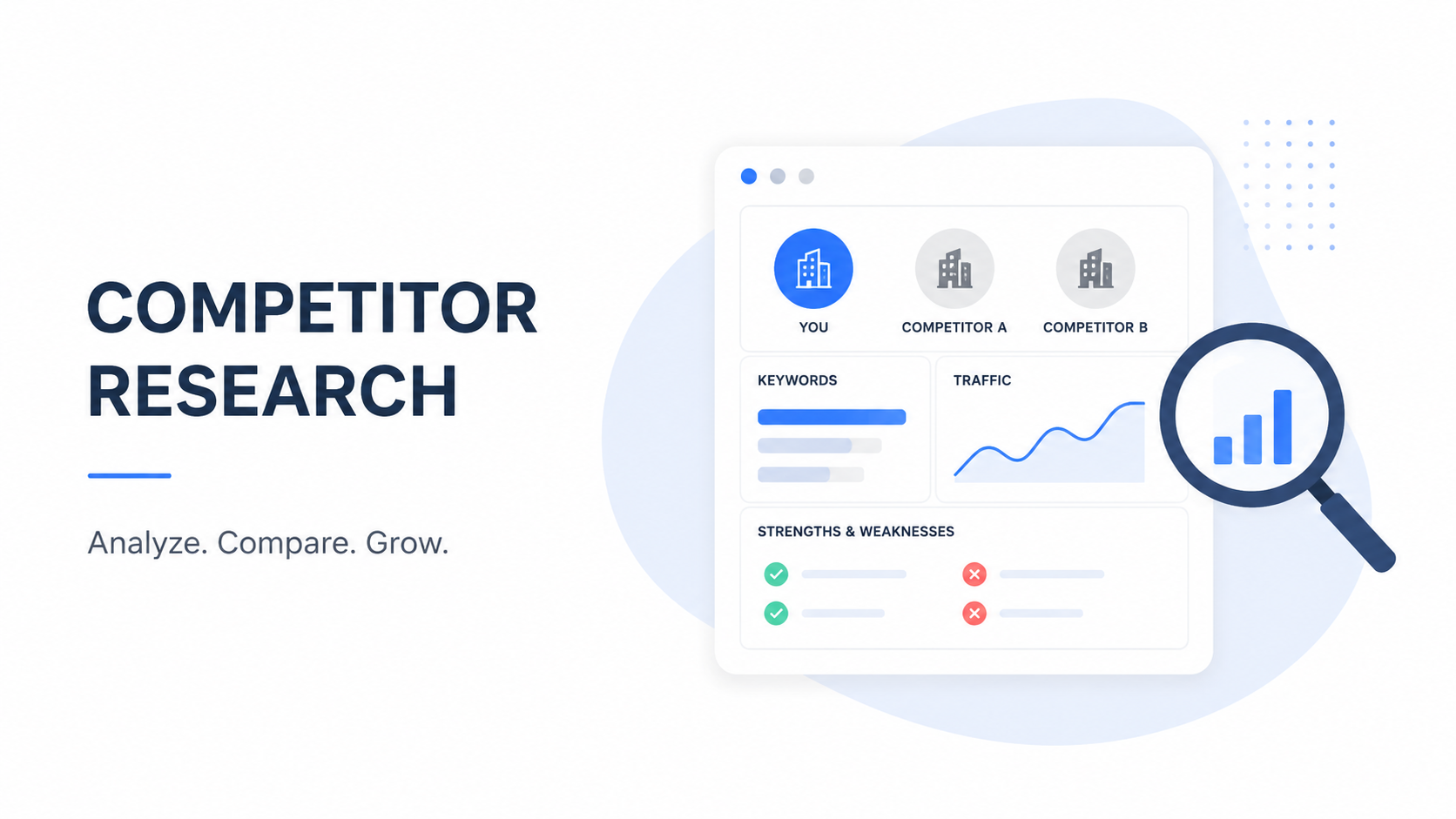
Competitive monitoring also benefits greatly from AI. Intelligent systems can continuously track competitors’ ad placements, creative strategies, pricing changes, and market positioning, automatically extracting key patterns and generating strategic recommendations. This around-the-clock competitive intelligence collection far outpaces human analysis in speed and coverage.
Notably, some emerging intelligent ad platforms, like Navos Agent, are beginning to build these insight capabilities into dedicated “Consulting Agent”—intelligent modules that act like full-time market research analysts, continuously monitoring market signals and proactively pushing key findings to marketing teams. This shift from passive reporting to proactive insight represents AI’s evolution in advertising from a tool to critical infrastructure.
2. Strategy and Media Planning
At the strategic level, AI is changing how marketing teams create media plans and allocate budgets. Traditional media planning relies heavily on past experience and industry benchmarks, while AI advertising optimization can make more accurate decisions based on real-time data and predictive models.
Budget allocation prediction is one core capability. Machine learning models can analyze historical performance across channels, audience segments, and creative combinations to predict expected returns for different budget allocation scenarios. Beyond simple linear extrapolation, these models account for complex factors such as seasonality, market saturation effects, and cross-channel synergies for multivariable optimization.
Channel mix optimization also benefits from AI ad technologies. A core challenge for marketing teams is how to find the optimal investment mix across search, social, display, video, and other channels. AI marketing systems can continuously experiment and learn, dynamically adjusting channel weights to maximize overall marketing efficiency instead of optimizing channels in isolation.
ROI forecasting provides strategic foresight. Before a campaign launches, AI models can estimate potential outcomes of different strategy options based on target audiences, creative direction, competitive environment, and historical analogs. This helps marketing leaders make resource commitment decisions with greater confidence while setting more realistic expectations.
Campaign timing optimization is another often-overlooked but impactful use case. AI can analyze user activity patterns, content consumption habits, and competitors’ ad schedules to determine the best times and frequencies for ad delivery—avoiding ad fatigue while maximizing exposure.
3. Creative Generation and Personalization
Creative is the heart of advertising, and this is where AI marketing capabilities are rapidly advancing. While creative strategy still requires human creative thinking, AI has shown significant advantages in creative execution and variant generation at scale.
AI models can already produce high-quality ad copywriting and creatives. By learning brand tone, product features, and target audience preferences, large language models can quickly generate hundreds of ad variants for marketing teams to review and refine. In this context, ad designers can be freed from repetitive variant generation and focus on developing core creative concepts.
Multivariate creative testing is another powerful application of AI ad optimization. Traditional A/B tests are often limited to a few variants, whereas AI-driven multi-armed bandit algorithms can test dozens or even hundreds of creative combinations simultaneously, automatically routing traffic to the best-performing versions while continuing to explore new creative possibilities. This dynamic testing mechanism greatly shortens the time to find the optimal creative.
Personalized advertising is one of the most transformative applications of AI in advertising. AI can generate personalized ad content in real time based on a user’s browsing history, purchase records, location, device type, and other factors. By deeply customizing across multiple dimensions—visual style, messaging emphasis, calls to action—each user sees an ad that feels tailor-made for them.
Scaled creative production is becoming an industry trend. Leading brands have moved from “one campaign, a few creatives” to a “continuous optimization, hundreds of variants” model. This shift relies on AI—Navos Agent has built creative generation capabilities into a dedicated “Creative Agent” that can automatically generate and iterate creative assets based on real-time performance data.
4. Ad Buying and Optimization
At the execution level, AI has become indispensable infrastructure for advertising. The complexity of modern programmatic ads demands millisecond-level decision speed and continuous optimization—capabilities far beyond human operation alone.
Automated bidding is one of the most mature AI applications in advertising. Machine learning algorithms can assess the value of each ad impression opportunity in real time, taking into account factors like audience quality, competitive intensity, budget pacing, and conversion probability, and make optimal decisions on each bid. This intelligent bidding not only improves ad efficiency but also maximizes outcomes when budgets are constrained.
Dynamic budget reallocation is another key capability. AI advertising systems can continuously monitor the performance of campaigns, ad groups, and individual ads, automatically shifting budget from underperforming areas to high-performing channels and audiences. This real-time optimization enables marketing teams to significantly boost overall returns without increasing total budget.
Real-time performance optimization covers many dimensions, from keyword adjustments to audience expansion. AI ad marketing systems can detect performance anomalies, identify new high-value audience segments, optimize ad delivery times, adjust bidding strategies, and make countless other micro-decisions—all automatically in the background without human intervention.
Predictive performance modeling gives marketing teams a forward-looking perspective. By analyzing current campaign performance trends, AI can forecast future results, issue early warnings, and suggest strategy adjustments. This allows teams to proactively manage campaigns rather than reactively addressing problems.
It’s important to emphasize that cutting-edge systems don’t provide isolated optimization tools but build closed loops of continuous monitoring and improvement. Navos Agent implements this capability as an intelligent Marketing Agent that works 24/7 like a dedicated ad optimization specialist, ensuring each campaign stays in optimal condition.
5. Performance Analysis and Attribution
Measuring ad effectiveness has always been a core challenge in marketing, and AI marketing technology is making this process more precise and actionable.
Multi-touch attribution is a major AI contribution in analytics. Traditional attribution models (like first-click or last-click) oversimplify the complex customer journey. Machine learning attribution models can analyze all user touchpoints with a brand, evaluate each touchpoint’s contribution to the final conversion, and provide fairer, more accurate channel value assessments.
ROI analysis becomes more granular and dynamic with AI support. AI can compute overall ROI and drill down into campaign, audience segment, creative variant, and even individual keyword levels to identify true value drivers. Crucially, this analysis is continuous rather than retrospective, enabling teams to adjust strategies in real time.
An often-underrated capability of AI ad systems is anomaly detection. AI can identify unusual patterns in performance data—whether a sudden cost spike, a drop in conversion rates, or abnormal click-through rates. This early warning system helps marketing teams respond quickly to issues and avoid wasted spend.
Discovering growth opportunities is the ultimate goal of analysis. AI not only diagnoses problems but proactively uncovers underleveraged opportunities—new high-value audiences, high-performing ad groups that lack budget, creative directions with potential but untested, and more. This shift from passive reporting to active recommendation is where AI delivers core value in advertising applications.
6. Asset and Knowledge Management
As the number of campaigns and creative assets grows rapidly, asset management and knowledge accumulation become important but often overlooked challenges. AI is playing an increasingly important role in this area.
Creative asset organization is no longer simple folder management. AI systems can automatically tag and classify creative assets, building intelligent indexes across dimensions such as visual features, copy style, target audience, and usage scenarios. This enables marketing teams to quickly find relevant assets, reuse successful creative elements, and identify gaps in the creative library.
The deeper value lies in strategy and learning accumulation. Each campaign generates large amounts of data and insights—what works and what doesn’t, which audiences respond best, which creative elements resonate. AI can extract structured knowledge from these scattered experiences and build an organization’s “advertising knowledge base”.
This knowledge accumulation gives ad systems “memory”, allowing them to learn from historical experience, avoid repeating mistakes, replicate successful patterns, and continuously improve decision quality. This transformation from experience to wisdom is a key sign of AI ad systems evolving from tools into infrastructure.
Navos Agent has already built asset management as a dedicated “Asset Agent” that not only organizes and manages the creative library but can also analyze asset performance, recommend best practices, and collaborate with other AI Agents to form a complete knowledge management closed loop.
Real-World Examples of AI in Advertising
In the mature era of digital marketing, companies no longer face the question of “whether to use AI” but “how to use AI to solve the most critical pain points in advertising”. The following four cases show how AI, by reconstructing underlying logic, can turn growth bottlenecks into core competitive advantages.
E-commerce Personalization
Personalized Recommendations and Dynamic Pricing
Core pain point: Mismatch between massive SKU counts and user profiles, leading to low conversion rates
Many e-commerce businesses struggle to match products precisely to each consumer when faced with tens of thousands of SKUs. As a result, significant ad budgets are wasted on irrelevant audiences—lots of traffic but little conversion.
After deploying an AI ad-optimization system, the model shifts from “people find products” to “products find people”. The system captures users’ micro-behaviors in real time (such as depth of browsing, price sensitivity, and cart weighting), instantly generating hundreds of thousands of personalized dynamic creatives and using AI-predicted interest probabilities for precise targeting. This directly produces explosive growth in click-through and conversion rates, truly ensuring “every dollar of budget reaches the right person”.
SaaS Performance Optimization
Precise Customer Acquisition and Lifecycle Marketing
Core pain point: Long conversion paths, uneven lead quality, runaway customer acquisition cost (CAC)
B2B marketing cycles often span weeks or months, and marketers find it hard to know when to push case studies or when to involve sales, causing many prospects to drop out of the complex funnel.
With an AI-driven full-lifecycle marketing system, AI can detect intent signals deeper than job titles—such as specific interaction patterns or content preferences. Acting like a 24/7 chief operating officer, it automatically customizes nurture paths for each prospect. This not only fixes imprecise manual segmentation and mistimed outreach but also reduced acquisition costs by 34%. AI takes on the heavy lifting of timing decisions, freeing teams from “firefighting” day-to-day tasks so they can focus on high-value strategic PR.
Gaming Creative Testing
Creative Testing and Scalable User Acquisition
Core pain point: Short creative lifecycles, creative output lagging behind spend, high testing costs
In the cutthroat user-acquisition environment of games, good creatives often burn out within a week. Mid-sized teams are typically constrained by limited capacity and can’t test enough to find breakout creatives for large-scale scaling.
By using AI-driven automated creative systems to achieve “industrialized output”, AI can automatically generate hundreds or thousands of combinations of characters, scenes, and copy, and reallocate test budgets based on real-time feedback to instantly identify and scale profitable creatives. This increased testing speed fivefold and reduced user-acquisition costs by 28%. AI not only solved the “creative shortage” problem but, through quantitative analysis of color, characters, and other details, provided product development with data-backed insights, removing subjective guesswork from creative decisions.
DTC Automated Ad Generation
Omnichannel Automation and Accelerated Growth
Core pain point: Chaotic multi-channel management, headcount can’t keep up with business expansion
When DTC brands like beauty enter fast-growth phases, small teams managing massive ad campaigns across Facebook, TikTok, Google, and other platforms hit their physical limits adjusting bids and reallocating budgets manually, causing operational inefficiency and missed growth opportunities.
By building an integrated AI ad-optimization platform, all repetitive daily tasks—such as bid adjustments, budget shifts, and pausing underperforming ads—are handed over to AI. Optimization specialists only need to set strategic guardrails while AI executes tactical moves. This breaks the traditional “add headcount to scale” model. Without hiring a single additional employee, brands tripled ad scale while maintaining stable ROAS. AI turned efficiency into a brand moat, enabling rapid, asset-light expansion.
What these success stories have in common is a shift from “using AI tools” to “building AI-driven operating systems”:
- Role redefinition: Humans step back from execution to focus on creative vision and brand strategy, while AI handles millisecond-level execution and optimization.
- Process redesign: AI capabilities are embedded into daily workflows rather than used occasionally as an aid.
- Capability upgrade: Teams’ core competencies evolve from “optimization tricks” to “goal setting” and “AI system mastery”.
From AI Tools to AI Advertising Agents
After exploring concrete applications of AI in modern advertising, we need to understand a deeper shift: the evolution from fragmented functional tools to highly integrated AI advertising agents. This is not just a technical consolidation but a fundamental change in how advertising operations are run.
Limitations of Fragmented AI Tools
Today, most marketing teams are still in a “tool patchwork” stage: using AI for audience insights, AI for creative generation, then AI for bid optimization and reporting. This “each-one-for-itself” approach exposes three main weaknesses:
First, data silos. Each tool maintains its own data and models, so insights don’t flow between tools. A high-value audience segment discovered by an audience analysis tool may not be used by the creative generation tool, and budget adjustments from an optimization tool might not feed back into strategic planning. These breaks cause the overall efficiency to be much less than the sum of the parts.
Second, cognitive load. Marketing teams must switch between multiple platforms, learn different interfaces and logics, and manually combine insights from different sources. This manual “lifting” is inefficient, error-prone, and makes it hard for teams to form a holistic view.
Third, lack of coordinated optimization. When different tools independently optimize their own goals, the overall result can be suboptimal. For example, a creative tool may produce ads with high click-through rates, but the bidding tool finds those clicks convert poorly. Without coordination, the system may keep driving ineffective traffic.
Advertising Requires Cross-functional Coordination
Ad operations are an extremely precise systems engineering task. From insights, planning, and creative to delivery and attribution, each step is interconnected. In the traditional model, this coordination relies on tedious meetings and processes; but in the AI era, this collaboration should not degrade into humans piecing together separate AI outputs. It should upgrade to system-native intelligent interconnection.
An integrated AI advertising system can achieve end-to-end optimization. Audience insights are not just reports but directly guide creative direction and targeting strategies. Creative performance data is not merely retrospective analysis but feeds back in real time into creative generation and budget allocation. Optimization is not isolated bid adjustments; it considers the health of the entire funnel and long-term value.
Specialized AI Agents Collaborating
The future trend is to build advertising systems as a collaborative network of specialized AI agents (AI employees). It’s like assembling a virtual ad marketing team with different experts—each focusing on a specialty—while working together through structured collaboration mechanisms to complete complex tasks:
Industry Consultant: Like a market analyst, it continuously monitors market dynamics, competitive landscape, and audience behavior, proactively identifying opportunities and threats and providing intelligence support to other agents.
Creative Director: Responsible for strategic decisions—budget allocation, channel mix, and campaign timing. It integrates market intelligence from the insight agent and performance feedback from optimization agents to balance short-term efficiency with long-term growth.
Creative Designer: Continuously generates and iterates creative assets based on brand guidelines, audience preferences, and performance data. It not only produces content but learns what types of creative work best in which contexts, steadily improving creative quality.
Ad Strategist: Manages the execution details of ad delivery—bidding, budget distribution, audience expansion, and time-of-day adjustments. Its goals include maximizing short-term metrics while maintaining account health and long-term sustainability.
Data Analyst: Not only computes performance metrics but explains “why,” identifies patterns, attributes value, and proposes improvements. It turns data into actionable insights for human decision-makers and other AI agents.
Asset Manager: Manages the creative library and knowledge base, ensuring best practices are encoded and reused, preventing repeated mistakes, and enabling new members to quickly access the organization’s collective wisdom.
These agents interact in real time through structured communication mechanisms. For example, when the insight specialist detects a new trend, the strategy specialist immediately adjusts plans, the creative specialist produces supporting assets, and the optimization specialist prepares to target the new audience. Navos Agent is an early adopter of this “collaborative agent” architecture, aggregating previously fragmented functions into a unified force.
From Assistive to Autonomous Capabilities
It’s important to note that the evolution of AI advertising systems is not instantaneous but a gradual spectrum. In the assistive stage, AI provides decision-support insights and recommendations while humans retain full control. In the collaborative stage, AI autonomously performs routine optimization tasks within human-set guardrails. In the autonomous stage, the system can manage ad campaigns end to end—from strategy formulation to execution and optimization—with humans mainly responsible for setting goals and brand direction.
Most companies are currently in the collaborative stage and should choose the appropriate level of autonomy based on their maturity, risk tolerance, and strategic priorities. The key is to understand this is not a binary choice but a continuum that can evolve step by step.
Benefits of AI in Advertising
Systematically applying intelligent AI to advertising brings multidimensional benefits that far exceed simple cost savings or efficiency gains.
1. Transformational ROI and Long-Tail Gains
This is the most direct advantage. Through precise audience targeting, real-time bid optimization, personalized creative, and continuous performance improvements, AI-driven marketing systems can significantly boost the return on ad spend. Industry data show that mature AI-driven ad operations can achieve a 20–40% lift in ROAS, and even higher in some highly optimized scenarios.
But this uplift isn’t one-time. Traditional manual optimization often hits a growth plateau after a few weeks, whereas AI has a compounding “learning” effect—continuously improving over time and widening the value gap over longer cycles.
2. Exceptional Speed and Learning Advantage
In fast-paced digital marketing, speed is a competitive edge. AI ad optimization systems can complete the “test-feedback-tune” loop in hours—work that might take human teams days or weeks. This speed matters especially in situations like:
- New product launches, when you need to quickly find effective go-to-market strategies.
- Shifts in the competitive landscape, when rapid tactical adjustments are necessary.
- Seasonal peaks (e.g., Black Friday), when real-time optimization is needed to maximize value within a limited time window.
More importantly, speed creates a learning advantage. Faster iterations mean more experiments, more experiments yield deeper insights, and the audience intelligence and market intuition you build become knowledge barriers rivals will struggle to cross.
3. Scalable Creative Productivity
Previously, constrained by labor costs, a campaign might support only 5–10 creative variations. AI brings creative “on-demand” scaling—generating hundreds or thousands of variants instantly for different channels, contexts, and audience segments.
This is not mere quantity. It’s a qualitative shift from hypothesis to evidence. It frees marketing teams from guessing about segmentation and lets them use large-scale test feedback to discover unexpectedly breakthrough creative directions.
4. Liberation of Cognitive Resources
AI automates many repetitive, low-value tasks like bid adjustments, account monitoring, and data cleaning. This isn’t just about cutting headcount costs; the core benefit is freeing human cognitive resources.
When marketers are released from tactical drudgery, they can return to their true strengths: deep strategic thinking, shaping brand essence, and creatively solving complex problems. This role transformation elevates marketing from low-level repetition to high-value strategic play.
5. Stronger Data-Driven Decision Making
Humans inevitably fall prey to cognitive biases or rely on subjective experience when processing large, multidimensional data. AI marketing systems objectively analyze data, uncover nonobvious deep patterns hidden beneath the surface, and make evidence-based decisions rather than assumptions. More transformative AI systems also offer counterfactual reasoning: not only telling you what happened but simulating “what would happen if we chose option B.” This causal insight upgrades decision logic from “try because it’s correlated” to “act because it’s causal and certain”.
6. Compound Effects of Collaborative Systems
When we move from isolated tools to collaborative systems, advantages multiply. Component synergy produces compound effects: better insights drive more precise targeting and more relevant creative. More effective creative lowers acquisition costs, letting budgets fund scale. Scale generates more foundational data, further refining models. This self-reinforcing positive feedback loop creates a sustainable, hard-to-replicate systemic competitive advantage for businesses.
Challenges and Limitations of AI in Advertising
While recognizing the enormous potential of artificial intelligence in advertising, we must also clearly acknowledge its limits and challenges. Excessive technological optimism often leads to unrealistic expectations and failed implementations.
1. Data Dependence
The quality of AI systems depends heavily on the quality and quantity of data. If historical data is biased, models learn and amplify those biases. If data is insufficient, models may overfit or fail to generalize. For new products, new markets, or new audiences, the lack of historical data greatly weakens AI’s predictive ability.
This means AI advertising systems face challenges in scenarios such as: startups or new brands that lack sufficient historical ad data; highly innovative products without comparable market precedents; and fast-changing market environments where historical patterns no longer apply. Marketing teams need to understand these limits and, when data is scarce, rely on human judgment and small-scale experiments rather than blindly trusting AI outputs.
2. Creative Homogenization Risk
When many brands use similar AI creative tools, there is a risk of creative convergence and homogenization. If everyone optimizes for the same metrics (click-through rate, conversion rate) and uses the same data sources, creative variety may converge rather than diverge.
This highlights the ongoing importance of human creativity. AI excels at optimization and execution, but breakthrough creative concepts, brand positioning, and narrative strategies still require human imagination, cultural sensitivity, and strategic thinking. The most effective approach is for humans to handle creative strategy and core concepts while AI produces variants and optimizes execution.
3. Attribution Complexity
Although AI can improve attribution models, attribution in digital marketing is fundamentally difficult. Cross-device tracking, privacy restrictions, dark social traffic, and the long-term effects of brand influence all make precise attribution nearly impossible.
Overreliance on AI attribution models can lead to short-termism—prioritizing investment in easily attributed channels (like search) while neglecting channels that are hard to attribute but important in the long run (like brand advertising). Marketing leaders need to maintain critical thinking and avoid letting algorithmic preferences replace strategic judgment.
4. Black-Box Issues and Explainability
Many advanced AI models (especially deep learning) are essentially "black boxes"—they make predictions and decisions, but it’s hard to explain why. This can be a problem in marketing environments that require accountability and auditing.
If an AI system recommends significant changes to budget allocation or audience strategy but cannot provide clear reasons, marketing leaders may find it difficult to trust and adopt those recommendations. This underscores the importance of explainable AI—not only accurate predictions but also the ability to explain the reasoning process.
5. Redefinition of Human Roles
Perhaps the deepest challenge is organizational and cultural. Introducing AI marketing systems is not just a technical deployment; it’s a redefinition of roles and a restructuring of workflows. Some team members may feel threatened or uncomfortable, worried their skills will become obsolete.
Successful transformation requires clear communication and training. Humans are not being replaced but elevated—from tactical executors to strategic designers, from manual optimizers to guides of AI systems. This requires a new skill set: not learning how to manually tweak bids, but learning how to set AI system goals, interpret its insights, detect its blind spots, and steer its direction.
Ultimately, AI in advertising should be seen as an execution and optimization layer, not the strategic and creative layer. Humans excel at defining brand vision and value propositions, understanding cultural nuances and emotional resonance, making value judgments and trade-offs, imagining possibilities beyond the data, and building customer relationships and trust.
These capabilities will remain uniquely human for the foreseeable future and cannot be replaced by AI marketing systems. The most effective advertising model is complementary collaboration between humans and AI—humans set direction, AI optimizes execution; humans provide creative strategy, AI generates variants; humans understand the “why,” AI handles the “how.”
The Future of AI in Advertising
Looking ahead, AI’s evolution in advertising will go beyond iterative algorithms or stacked features and bring about a profound paradigm shift: from fragmented tools to foundational infrastructure, from tactical assistance to strategic autonomy.
1. Evolution of Intelligent Advertising Systems
Future intelligent advertising systems will exhibit systemic, adaptive intelligence, with core features across three dimensions:
- Deep contextual awareness: Systems will stop optimizing isolated campaigns and instead “read” the full business landscape. They will weave product lifecycle, competitor actions, macro trends, and brand health into their decision-making networks.
- Keen foresight: Moving from reactive responses to proactive decisions. Imagine a system that detects faint signals before a competitor’s large-scale campaign and positions itself in advance, securing tactical advantages before opportunities arrive.
- Continuous self-evolution: These systems won’t just optimize ad data; they’ll continuously refine their own “reasoning logic.” They will conduct self-reviews: which insights worked best? which collaborations flowed most smoothly?—enabling iterative improvements to operations.
2. Deepening Autonomous Optimization
As autonomous optimization deepens, AI will move from mere “tactical execution” to “strategic simulation.” It won’t replace human strategists but act as a chief strategic advisor—offering strategic options, evaluating feasibility, and forecasting outcomes—enabling humans to decide at a higher level. This isn’t uncontrolled automation but “supervised autonomy”: humans set value red lines, goals, and boundaries; AI operates autonomously within those constraints. Transparent, explainable mechanisms ensure humans retain ultimate authority.
3. Real-Time Growth Infrastructure
Advertising will no longer be a marketing department’s solo act but will be integrated into the company’s overall growth operating system. AI advertising will be tightly woven with product, pricing, and service engines: adjusting acquisition gates based on product inventory, refining audience quality based on retention data, and dynamically altering messages in line with pricing strategies. At that point, AI advertising becomes a sensitive, precise sensor and regulator within the growth machine.
4. Structural Shift in Marketing Organizations
These technological changes will drive structural reorganization of marketing organizations. Traditional roles—such as ad optimizers, campaign planners, and analysts—will gradually fade, replaced by AI system architects, insight translators, and human–machine collaboration coordinators. This means teams may be smaller but more effective. Team size may not grow significantly, but composition and skill requirements will change. Small teams will be able to operate ad volumes that once required large teams, but they will need new capabilities: understanding AI’s strengths and limits, setting effective goals and constraints, interpreting complex insights, and guiding rather than micromanaging systems.
5. AI + human Collaborative Team Model
A common theme runs through all these trends: moving from isolated functions to collaborative systems. Future AI advertising will be a new collaborative model—hybrid teams of AI employees and human experts, each playing to their comparative advantages. In this model:
AI employees specialize deeply in specific areas—insights, planning, creative, optimization, analysis, asset management—but work together through structured collaboration mechanisms. They divide tasks like human teams do, but operate at machine speed and scale. Human experts handle strategy, creative concepts, brand judgment, and complex trade-offs. The two interact through natural language interfaces; humans won’t need to learn complex technical tools but will converse, negotiate, and collaborate with AI workers just like colleagues.
This architecture is not only elegant technically but also aligns with human cognitive models. Marketing leaders can understand and trust such systems because their operational logic resembles familiar team collaboration patterns, only executed by AI. Collaborative AI agents will become the core infrastructure of future ad operations, enabling small teams to produce outputs on par with large teams and allowing marketing organizations to match market complexity in speed and scale.
Conclusion
AI’s role in advertising has officially shifted from a marginal “experimental attempt” to a core “operational infrastructure”. This is more than automating certain tasks; it reconstructs the fundamental logic of creative inception, placement decisions, real-time tuning, and value attribution.
From the above analysis, it is clear that AI has penetrated every link in the advertising value chain. The deepest industry shift, however, is the leap from “fragmented tools” to “integrated systems”. Leading marketing practices show that real competitiveness does not come from adopting many isolated AI features but from building an end-to-end intelligent operating system.
One core insight is that advertising is fundamentally a complex systems engineering problem that requires close cross-functional collaboration. Therefore, the future of AI advertising does not rely on a single super-algorithm but on a collaborative network of specialized AI agents, such as Navos Agent. Like a well-trained team of human experts, they perform distinct roles while remaining deeply interconnected, using machine-scale capabilities to handle complexities beyond human capacity. This shift from “manual execution” to “intelligent collaboration” brings explosive gains in ROI, responsiveness, and creative output.
Although we must remain cautious about data dependence, creative homogenization, and other challenges, it is undeniable that human roles are being reshaped—we are being freed from heavy tactical work and returning to high-value areas like strategic setting, brand judgment, and emotional resonance.
Ultimately, AI’s true value in advertising isn’t technological showmanship but the unprecedented capability it gives marketing organizations: to maintain a dynamic balance of speed, scale, and efficiency amid rapidly changing market complexity. It frees human hands so we can focus on what only human wisdom can illuminate—deep strategic thinking, breakthrough creative imagination, and enduring brand connection. That is the transformative promise of AI in advertising.